How to Clean Old Terrazzo Floor Tiles: A Homeowner's Guide
Old terrazzo floors, with their unique blend of stone chips, cement, and often vibrant colours, can add character to any home. However, after years of use, they often begin to show their age. You might notice your once-bright floor looking dull, discoloured, or covered in a stubborn, yellowed film from old wax and accumulated dirt. This can make the floor appear neglected and detract from your home’s overall appeal, leaving many homeowners unsure about the best way to bring back its original lustre without causing damage. If you are facing this challenge, you are not alone.
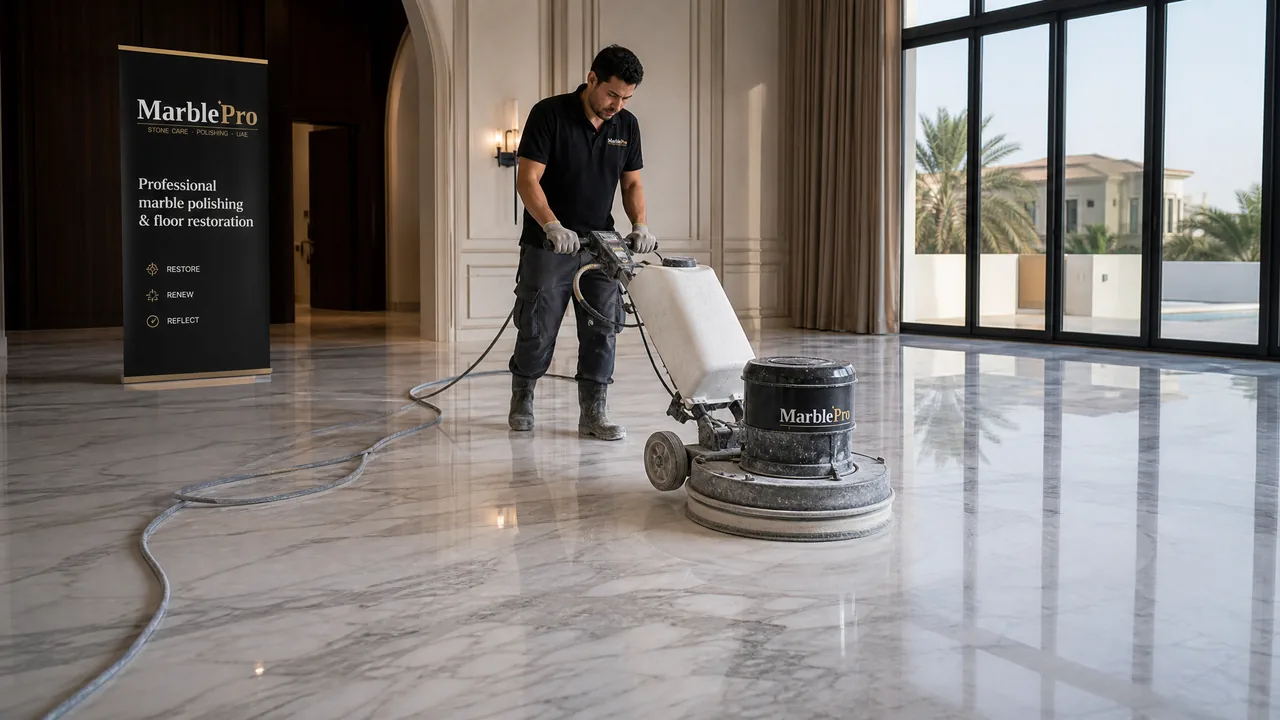
Understanding Old Terrazzo Floors: Unique Challenges
Old terrazzo floors combine stone chips like Marble or Granite within a cement or resin binder. With age, they develop specific challenges. Accumulated old wax, deeply embedded dirt, and a weakened binder mean simple cleaning may be ineffective or harmful. Recognizing these unique traits is crucial for effective old terrazzo cleaning.
Common Signs of Age and Wear on Terrazzo
Surface issues are often the first signs of an aging terrazzo floor. A general dullness replaces its original shine. Spills can lead to deep-set stains. Discoloration, particularly yellowing, often comes from old, oxidized sealers or wax layers trapping dirt and altering the floor's appearance.
Identifying Deeper Problems: Cracks, Pitting, and Loose Aggregates
Beyond surface wear, old terrazzo can have significant underlying issues. Hairline cracks may appear, sometimes widening. Pitting looks like small holes where stone chips have loosened or the binder has eroded. Loose aggregates signal binder degradation. White, powdery efflorescence suggests moisture problems. For these serious conditions, especially when considering terrazzo floor restoration DIY, expert help from services like professional terrazzo polishing might be needed before any cleaning begins.
Preparing Old Terrazzo: Beyond Just Cleaning the Surface
Before you begin the deep cleaning of your old Terrazzo floor tiles, it is helpful to look closely at its condition. Addressing minor issues first can improve your cleaning results and help avoid further damage.
Addressing Minor Cracks and Grout Issues
Old Terrazzo often shows signs of wear, including small cracks or deteriorating grout. Take time to inspect your floor for these details. Minor cracks can gather dirt and make your floor look older than it is.
- Clean Cracks and Grout Lines: Use a stiff-bristled brush or a narrow vacuum attachment to clear any loose dirt, debris, or old grout from cracks and grout lines. This step is important for successful repair.
- Filling Minor Cracks: For small, hairline cracks, you can use an epoxy-based filler designed for stone or concrete. Choose a color that closely matches your Terrazzo for a less noticeable repair. Apply the filler according to the product instructions, ensuring it is pressed firmly into the crack and wiped clean of excess before it dries.
- Repairing Grout: If the grout between your Terrazzo tiles is crumbling or missing, gently remove the damaged portions. Clean the area thoroughly, then apply fresh, non-sanded grout for narrow lines, or sanded grout for wider lines. Make sure the new grout matches the existing grout's color and texture as much as possible.
Safely Removing Old, Built-Up Coatings and Waxes
Old Terrazzo floors might have layers of old wax, sealants, or polishes that have yellowed, dulled, or trapped dirt over time. Removing old wax from terrazzo is a key step in terrazzo floor restoration DIY. These layers need to be carefully stripped away to reveal the original beauty of the stone.
- Test a Small Area: Always start by testing any stripping product or method on an unseen corner or a spare tile. This helps you understand how the Terrazzo will react and prevents damage to the main floor.
- Use a pH-Neutral Stripper: For mild build-up, a solution of warm water and a pH-neutral, heavy-duty floor cleaner can often soften old wax. Apply it, let it sit for the recommended time (do not let it dry), and then gently scrub with a soft-bristled brush or a nylon scrub pad.
- For Stubborn Layers: If layers are very stubborn, you might need a commercial wax stripper specifically made for stone or Terrazzo. Always read and follow the manufacturer's instructions carefully. Ensure the product is non-acidic, as acids can damage Terrazzo. Avoid using harsh, abrasive pads that can scratch the surface.
- Rinse Thoroughly: After stripping, it is crucial to rinse the floor multiple times with clean water to remove all traces of the stripper and loosened wax. Leftover residue can make your floor sticky or dull.
Step-by-Step Guide to Cleaning Old Terrazzo Tiles
Gentle Cleaning for Daily Maintenance
To keep old terrazzo floors looking their best in the UAE, regular, gentle cleaning is key. Start by sweeping or dust mopping daily to remove grit and dirt that can scratch the surface. For damp cleaning, use a neutral pH cleaner specifically formulated for natural stone. Mix it according to the product instructions with lukewarm water. Damp mop the floor, ensuring it is not soaked. Over-wetting can push dirt into the grout lines and the stone's pores. After mopping, use a clean, dry cloth or mop to thoroughly dry the floor, preventing water spots and streaks. Avoid using general-purpose cleaners, harsh chemicals, or abrasive pads, which can damage the terrazzo surface over time. This consistent terrazzo maintenance helps preserve its appearance.
Tackling Stubborn Stains on Aged Surfaces
When faced with stubborn stains on aged terrazzo, the approach depends on the stain type. For oil-based stains (like grease or cooking oil), a poultice can be effective. Mix an absorbent material, such as baking soda or talc, with a small amount of household cleaner until it forms a paste. Apply this paste directly to the stain, cover it with plastic wrap, and let it sit for several hours or overnight. The poultice will draw the stain out. For organic stains (coffee, tea, food spills), a diluted solution of hydrogen peroxide can help lift them. Apply it carefully with a soft cloth. When attempting terrazzo floor restoration DIY for tough spots, always test your chosen method in an inconspicuous area first. Remember, never use acidic cleaners, such as lemon juice or vinegar, as these can etch and permanently damage the terrazzo surface. For stains that persist or cover large areas, seeking professional assistance for old terrazzo cleaning, including professional terrazzo polishing, might be the next step.
Maintaining Your Terrazzo in the UAE Climate
Protecting Terrazzo Against Sand and Heat
The UAE's climate, with its fine sand, dust, and humidity, presents unique challenges for terrazzo floors. Sand and dust can act like sandpaper, scratching the surface over time, especially in high-traffic areas. Heat can also affect the floor's integrity if not properly cared for. To protect your terrazzo, place floor mats at all entry points to trap sand and grit. Keep windows and doors closed during dusty conditions. For old terrazzo, consistent cleaning helps prevent abrasive damage from accumulating particles.
Regular Care for a Lasting Shine
Ongoing maintenance is key to keeping your terrazzo floors looking good. Regularly dry mop or sweep the floor to remove dust and loose sand. For damp cleaning, use a pH-neutral cleaner mixed with water. Avoid acidic or strong alkaline cleaners, as these can etch the surface or damage the binders in terrazzo. An important step for lasting protection is sealing. A proper sealant helps guard against stains and makes future cleaning easier. Consider sealing your floors to protect them from spills and daily wear, especially in the UAE's environment.
When Professional Terrazzo Restoration is Necessary
Recognizing the Limits of DIY Efforts
While regular cleaning and basic care can keep your old terrazzo floors looking good, some issues require professional attention. DIY methods are often effective for surface dirt and light stains, but they have their limits. If your terrazzo has deep damage, attempting repairs without the right knowledge can sometimes worsen the problem. Serious etching, for example, caused by acidic spills like citrus juices or harsh cleaners, cannot be fixed with household remedies.
Professional terrazzo floor restoration becomes necessary when you encounter problems such as extensive cracking, significant chipping, or deep scratches that go beyond the surface. Widespread dullness that doesn't improve after thorough cleaning, or persistent, deep-seated stains, also indicate a need for specialized intervention. These issues often require professional tools and techniques, including grinding, honing, and professional terrazzo polishing, to properly restore the stone's appearance and protect its integrity. Ignoring these deeper problems can lead to further damage over time, especially in a demanding climate like the UAE.
Want an exact price for your floor?
Free on-site inspection, fixed-price quote and a 1-month written guarantee — across all 7 UAE emirates.
Frequently asked
What kind of cleaner is safe for old terrazzo?
A pH-neutral cleaner is generally safe for old terrazzo floors. Harsh chemicals, especially acidic ones like lemon juice or vinegar, can etch and damage the surface. Avoid strong alkaline cleaners too. Always dilute cleaners according to product instructions and test in a hidden spot first. Gentle, consistent cleaning helps maintain the floor's appearance.
How do I know if my old terrazzo has a sealant or wax on it?
You can often tell by how water behaves on the surface. If water beads up, it likely has a sealant. If it soaks in quickly, it might be unsealed or have a worn sealant. Old wax can look dull, yellowed, or show scuff marks and can sometimes be felt as a slightly sticky layer. A professional assessment can confirm the presence and condition of sealants or wax.
Can a steam cleaner be used on old terrazzo floors?
Using a steam cleaner on old terrazzo floors is generally not recommended. High heat and moisture can penetrate cracks or porous areas, potentially damaging the stone or underlying subfloor. It can also strip away existing sealants or waxes, leaving the floor vulnerable to stains and wear. For deep cleaning, professional methods are usually safer and more effective.
How often should old terrazzo floors be professionally cleaned or restored?
The frequency depends on foot traffic, how well the floor is maintained, and its current condition. For residential properties, deep cleaning might be needed every 2-3 years, while full restoration, such as grinding and polishing, could be every 5-10 years or as wear dictates. A professional assessment can help determine the specific needs of your old terrazzo floor.